
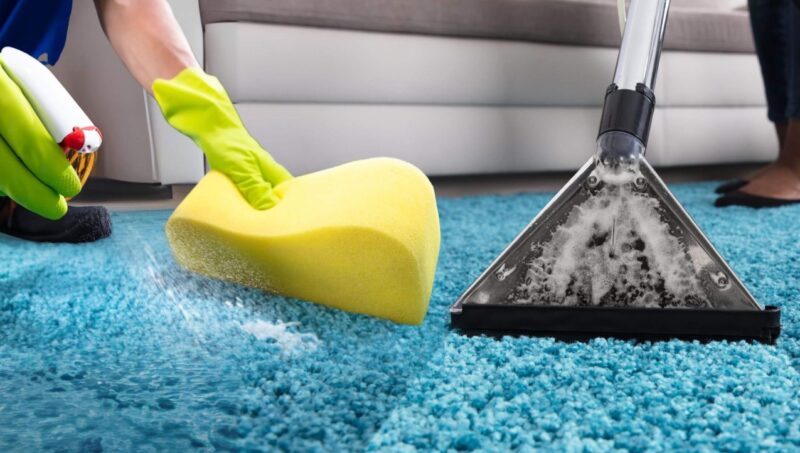
A rental machine can freshen carpet after a spill or a busy season, but repeated cleaning does not always mean deeper cleaning.
A 1999 study published in the Journal of Exposure Analysis and Environmental Epidemiology examined carpets 12 to 20 years old in nine homes and two offices. Intensive vacuuming reduced median surface fine-dust loading by 91%, yet researchers still recovered substantial deep dust from the carpets.
So what happens when stains return, traffic lanes stay dark, or odors survive another DIY pass? Here are the clearest signs that routine cleaning has reached its limit and professional restoration makes more sense.
Here’s What’s Inside
DIY carpet cleaning is useful for routine maintenance, especially when you are dealing with fresh spills, loose soil, and small isolated marks. The problem starts when you keep treating the same symptom without removing what is deeper in the pile, backing, or pad.
Watch for four patterns:
- Dirt or discoloration that quickly returns
- Odors that disappear only while the carpet is damp
- Traffic lanes that remain dull after cleaning
- Slow drying, texture changes, or other signs of moisture trouble
The goal is not to hire a professional for every stain. It is to recognize when more detergent, more water, and more machine passes are unlikely to improve the result and may instead leave extra residue or moisture behind.
1. The Same Stain Keeps Coming Back
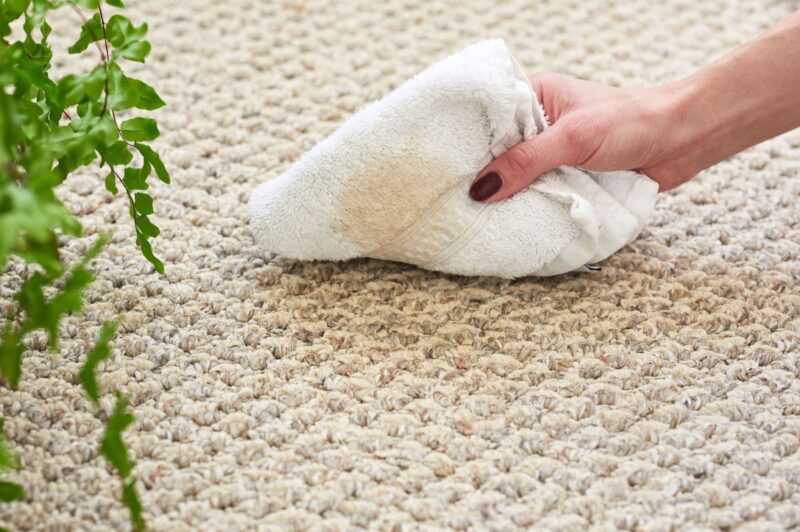
A spot that disappears while wet and returns after drying is one of the easiest warning signs to recognize. Sometimes the spill has traveled below the visible fibers. In other cases, cleaning solution was not fully removed, leaving residue that attracts fresh soil.
The Carpet and Rug Institute warns that residues from spot-removal products can attract dirt and contribute to rapid resoiling. Thorough rinsing is important, and using a stronger concentration than recommended is not a shortcut to better results.
If the same mark returns after one or two careful treatments, stop repeating the cycle.
What looks like a stubborn stain may actually be wick-back, residue, or permanent discoloration. A professional can identify the problem first and choose a targeted treatment instead of repeatedly soaking the same area.
2. High-Traffic Carpet Still Looks Worn After Routine Cleaning
Busy carpet can look old before it is actually ready for replacement. Entryways, corridors, lobbies, offices, restaurants, and shared residential spaces collect fine soil, oils, spills, and repeated foot traffic in the same lanes. Vacuuming controls everyday surface dirt, but eventually the appearance stops bouncing back.
That is where commercial carpet cleaning works best as restorative maintenance rather than routine housekeeping. The goal is to remove embedded buildup, improve traffic-lane appearance, and make serviceable carpet look presentable again.
For high-traffic properties, the outcome matters more than the machine: better-looking floors, fewer appearance-related complaints, and more time before replacement enters the budget. Renue Hawaii specifically positions restorative cleaning around protecting carpet assets, improving presentation, and delaying premature replacement in commercial spaces.
3. Odors Return After the Carpet Dries
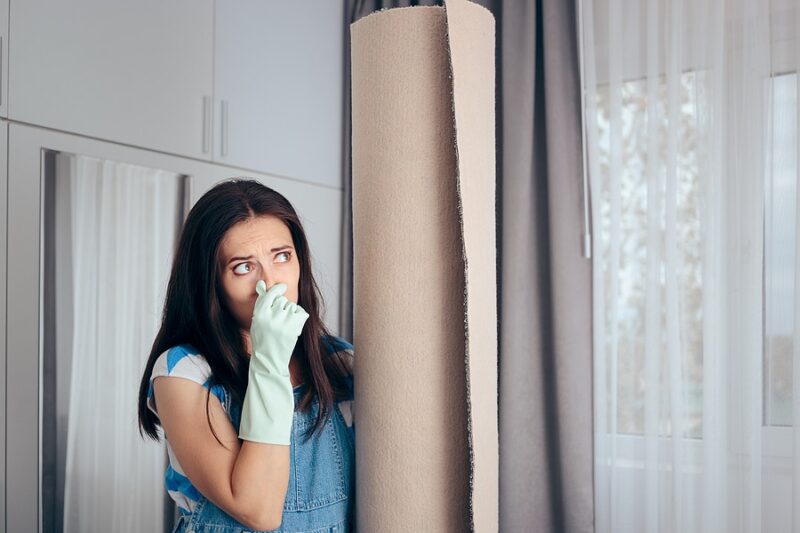
If carpet smells fresh immediately after cleaning but the odor returns the next day, fragrance is not solving the source. Pet accidents, drinks, food residue, and moisture can move through the pile and reach the backing or pad, where surface treatment has limited reach.
Use this quick check:
|
What happens |
What it can mean |
Better next step |
| Odor returns from one spot | Source may be below the pile | Targeted professional treatment |
| Whole room smells stale | Widespread residue or moisture may be involved | Inspect and deep clean |
| Smell becomes musty | Moisture needs attention | Stop re-wetting and assess |
Professional extraction may remove odor-causing residue that household equipment leaves behind. If the pad is heavily contaminated, however, cleaning the visible carpet alone may not solve the issue.
The key is treating the source, not covering the smell.
4. The Carpet Gets Dirty Again Too Quickly
Fast resoiling can make a DIY job feel pointless. You clean the room, the carpet looks brighter, and within days certain areas seem gray or slightly sticky again.
One possible cause is cleaning product left in the fibers, particularly when too much solution was used or the machine did not recover enough of it. CRI specifically tests carpet-cleaning products for their tendency to cause accelerated resoiling because residue can attract dirt after cleaning.
Important: More detergent does not automatically mean more cleaning. If cleaner remains in the carpet, it can become part of the problem.
Before washing the carpet again, check the product dilution and extraction performance. If areas repeatedly soil faster after DIY cleaning, professional rinsing and extraction may be more useful than another round of shampoo.
5. Drying Takes Too Long or the Carpet Feels Different
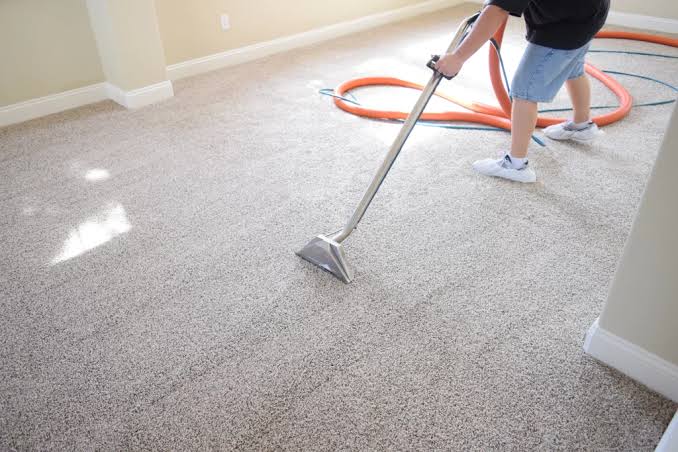
Carpet cleaning is not finished when the last machine pass ends. Proper drying is part of the process.
EPA guidance for water-damaged materials says carpet and backing should be dried within 24 to 48 hours. Water extraction, lower indoor humidity, and increased airflow can help speed the process.
Did you know? Slow drying is more than an inconvenience. Persistent moisture creates conditions in which mold can grow, and absorbent materials with mold growth may eventually require removal.
After cleaning, improve airflow and use appropriate ventilation or dehumidification. Avoid placing heavy furniture back onto damp carpet.
If the carpet remains wet, develops a musty smell, ripples, or feels unusually stiff, stop adding moisture. At that point, diagnosing the drying problem matters more than another cleaning pass.
6. Cleaning Starts Changing the Carpet Instead of Improving It
Fuzzing, bleaching, browning, stiffness, loose seams, or distorted texture are signals to stop experimenting. When cleaning starts changing the carpet itself, another DIY treatment can make the damage harder to correct.
Professional restorative cleaning is most valuable while the carpet is still structurally sound. A good technician should assess the fiber, backing, soil level, stain history, previous treatments, and drying conditions before choosing a method.
Before hiring, ask:
- Is dry vacuuming performed before deep cleaning?
- Which cleaning process suits this carpet and its condition?
- How will drying be managed?
- What results are realistic for old stains and traffic lanes?
- Do technicians have recognized industry training or certification?
CRI specifically advises consumers to ask whether vacuuming is performed first and whether technicians hold IICRC certification.
A trustworthy professional should also tell you when wear is permanent and replacement is the better option.
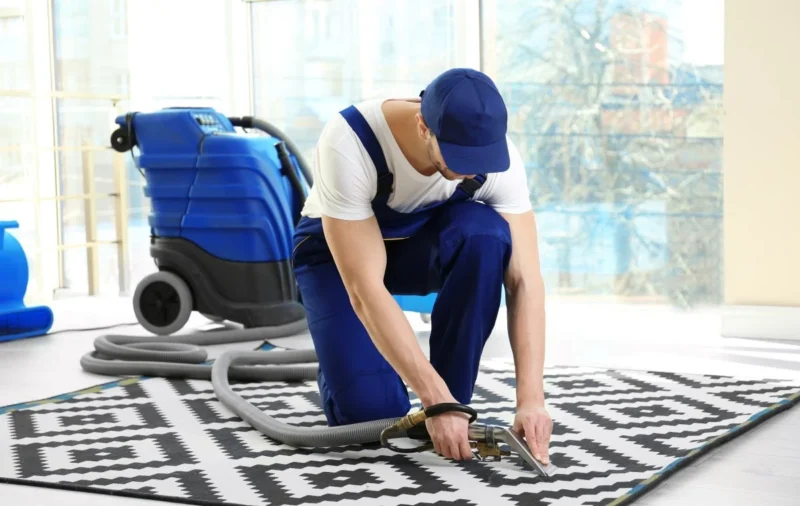
Know When Maintenance Needs to Become Restoration
DIY carpet cleaning works best when the problem is fresh, limited, and close to the surface. Once stains keep returning, traffic lanes remain dull, odors come back, or drying becomes difficult, repeating the same process usually adds work without fixing the cause.
Professional cleaning should not be viewed simply as a stronger version of DIY cleaning. Done at the right time, it is restorative work that removes deeper buildup, restores appearance, and helps serviceable carpet remain in use longer.
Start with one problem area. Inspect it once completely dry. If the same issue returns, stop repeating the treatment and identify what is actually causing it.