
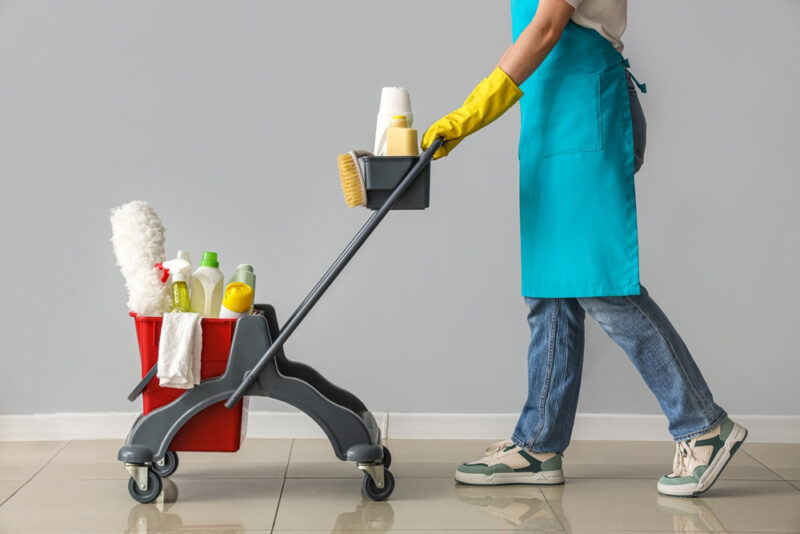
Professional cleaning services play an important role in maintaining healthy indoor environments for homes, offices, and shared spaces. Their approach goes far beyond removing visible dirt, focusing instead on reducing germs, allergens, and residues that can affect comfort and well-being.
A key part of this responsibility lies in the careful selection and use of cleaning products. These products must be strong enough to clean effectively while remaining safe for people, pets, and surfaces.
By combining training, product knowledge, and proper application methods, professional cleaners deliver reliable results without introducing unnecessary risks into everyday environments.
Balancing Safety and Effectiveness
1. Selecting Products with Health in Mind
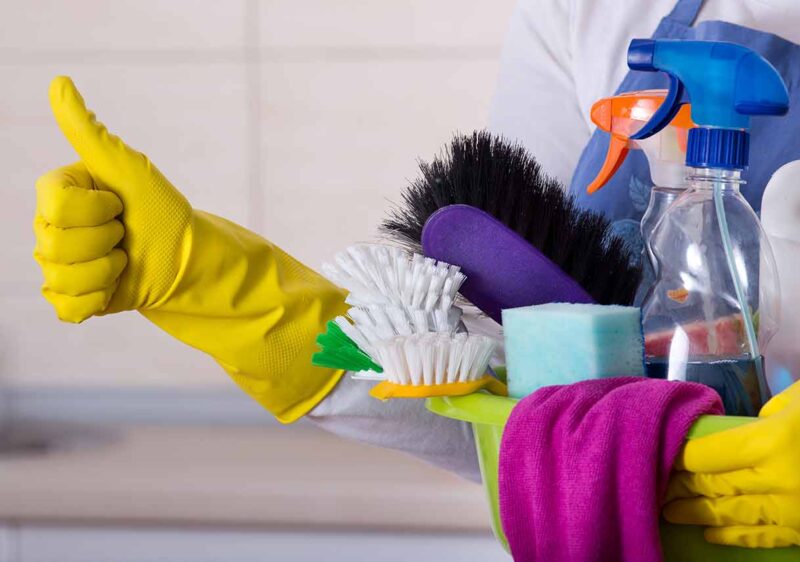
Professional cleaning services begin by selecting products that support both cleanliness and safety. This selection process considers how chemicals interact with indoor air, surfaces, and human contact.
Cleaners are trained to recognize labels, dilution requirements, and approved usage guidelines so that products perform as intended without causing harm. Many modern formulations are designed to reduce harsh fumes and residues, which is important in spaces occupied by children, older adults, or individuals with sensitivities.
Professionals also understand that overusing a product can be as problematic as using the wrong one.
Accurate measurement and controlled application ensure surfaces are cleaned without leaving behind buildup that could cause irritation or damage. This thoughtful approach reflects an understanding that effective cleaning is not about stronger chemicals, but about choosing solutions that work efficiently while supporting a safer indoor environment for daily living and long-term use.
2. Matching Products to Surfaces and Spaces
Another way professional cleaning services maintain safety is by carefully matching products to specific surfaces and environments. Different materials respond differently to cleaners, and using the wrong solution can cause wear, discoloration, or long-term damage.
Professionals are trained to distinguish between porous and non-porous surfaces, sealed and unsealed floors, and delicate finishes that require gentler care. In settings such as offices or residential properties, teams offering cleaning services in Cherry Hill often tailor product choices based on room function, traffic levels, and surface types. This customization helps ensure that cleaning supports both appearance and durability.
By adjusting products and methods for kitchens, restrooms, living areas, and workspaces, professional cleaners maintain consistent hygiene while protecting the integrity of each surface.
This adaptability demonstrates how safety and effectiveness depend on informed decisions rather than one-size-fits-all solutions.
3. Proper Application and Controlled Use
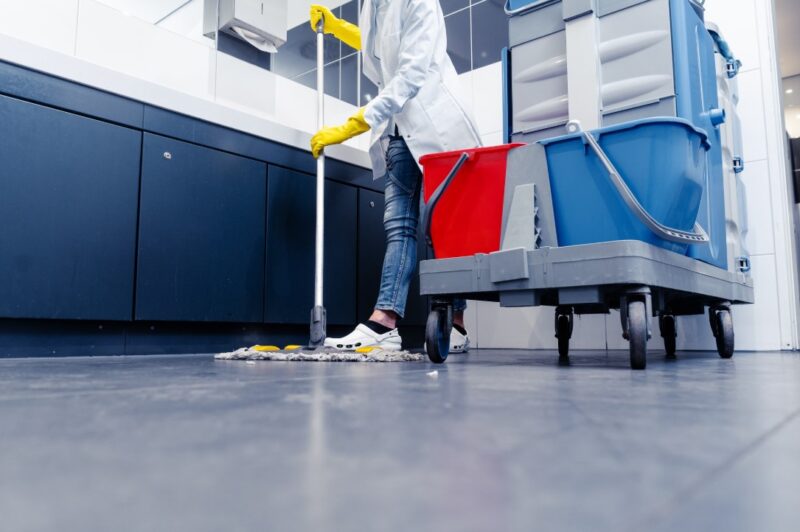
Even the safest product can become problematic if applied incorrectly, which is why professional cleaning services emphasize proper techniques. Cleaners are trained to follow manufacturer instructions closely, including dilution ratios, contact times, and ventilation needs. These details determine how well a product performs and how safe it remains during use.
Allowing a disinfectant enough time to work, for example, improves results without requiring stronger chemicals. Professionals also use tools such as microfiber cloths and specialized equipment to enhance cleaning efficiency, reducing overall product usage. Controlled application limits exposure, prevents waste, and supports consistent outcomes across different spaces.
This disciplined process ensures that cleaning achieves its purpose without introducing unnecessary chemical load into the environment. The focus remains on precision and consistency, reinforcing trust in the results delivered by trained cleaning teams.
4. Training, Standards, and Ongoing Evaluation
Professional cleaning services rely on ongoing training and standards to keep product use both safe and effective. As cleaning formulations evolve, teams stay informed about new products, updated safety data, and changing regulations. This knowledge allows them to adapt practices while maintaining reliable outcomes. Training also reinforces proper storage and handling, reducing the risk of spills, cross-contamination, or misuse.
Supervisors often evaluate cleaning results and procedures to ensure guidelines are followed consistently. Feedback from clients and inspections helps refine product choices and methods over time. This training and evaluation cycle supports continuous improvement while prioritizing safety.
By maintaining clear standards and accountability, professional cleaners ensure that product use aligns with health considerations and performance goals. This structured approach distinguishes professional services from casual or untrained cleaning efforts.
5. Responsible Practices and Environmental Awareness
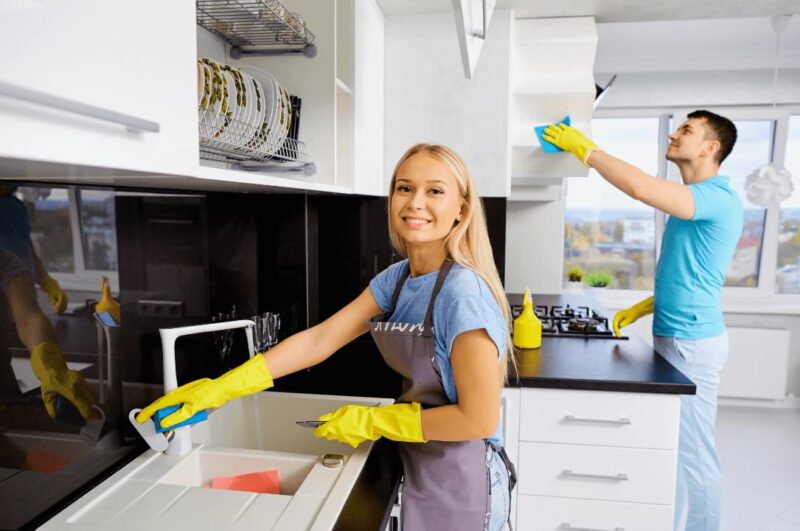
In addition to immediate safety, many professional cleaning services consider the broader environmental impact of their product choices. Responsible practices include selecting formulations that break down more easily and using only what is necessary for the task. Professionals understand that reducing excess product use benefits both indoor environments and waste management efforts.
Proper disposal of containers and awareness of local guidelines further support responsible operations. These practices reflect a growing recognition that effective cleaning can coexist with environmental consideration. By integrating safety, performance, and responsibility, professional services demonstrate a balanced approach that supports long-term sustainability.
Clients benefit from clean spaces that feel fresh.
Professional cleaning services achieve reliable results by combining safe product selection with informed application and ongoing training.
Their methods prioritize health, surface protection, and consistent performance rather than relying on overly harsh solutions. Through careful product selection for spaces and controlled use, cleaners maintain clean environments without introducing avoidable risks.
Ongoing evaluation and responsible practices further strengthen this approach. Together, these elements build confidence that cleaning is both effective and considerate of people and the environment. This balance enables professional services to support healthier, more comfortable spaces over time.